Food & Beverage Processing · Ireland

In food and beverage processing, sleep is a key ingredient.

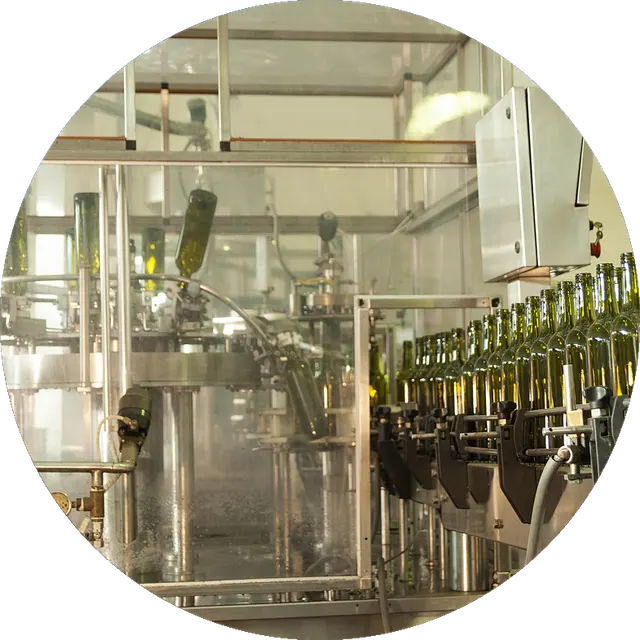
Processing lines run nights and rotating shifts with repetitive, monotonous tasks near moving machinery. Fatigue raises the risk of machinery injury and food safety lapses.

Food & Beverage Processing workforce

Who this page covers

  • Airline catering
  • Beverages and breweries
  • Dairy processing
  • Flour and grain milling
  • Industrial bakeries
  • Meat processing
  • Poultry processing
  • Seafood processing
  • Sugar milling
  • Wineries (production) (also see Agriculture)

Regulation

Who regulates it, and what they expect

Food and meat processing in Ireland has no sector-specific fatigue rule; the general safety and working-time statutes carry the whole load, and food-safety regulation says nothing about worker fatigue or hours. What bites in this sector is night work. An employee who normally works at least three hours between midnight and 7am is a night worker, capped at an average of eight hours in each 24 over a reference period of up to two months - and at a hard eight hours in any 24 where your own risk assessment shows the work involves special hazards or heavy physical or mental strain.

Regulated by
  • Health and Safety AuthorityHSA

Logos identify the regulator and don’t imply endorsement.

Who regulates it

Food processing in Ireland is regulated for workplace safety by the same national safety regulator as most industries - the Health and Safety Authority - with a separate food-safety regulator handling food hygiene, not fatigue or working hours. The industry's main employer association is Ibec's Food and Drink Industry Ireland group. There's no separate, dedicated regulator for food-processing hours or fatigue.

Your obligations

You must manage risk so far as is reasonably practicable, hold a written risk assessment and safety statement, and keep working-time records. Staff are entitled to 11 hours' rest in each 24, a 15-minute break after four and a half hours and 30 minutes after six, a weekly rest day, and an average 48-hour week with no individual opt-out. Night workers on lines running through midnight are held to eight hours a night on average, and to a hard eight hours where your risk assessment identifies special hazards or heavy physical or mental strain. Genuinely seasonal production can average the 48 hours over six months instead of four.

Consequences

An employee denied rest or breaks, or held above the weekly average or the night-work cap, can complain to the Workplace Relations Commission, which can order compliance and award compensation, with appeal to the Labour Court. The Health and Safety Authority can inspect the plant unannounced, serve improvement or prohibition notices that halt a line or a practice, and prosecute; a director or manager whose consent, connivance or neglect contributed can be prosecuted personally. A fatigue-related injury can also bring a negligence claim decided on fault. Food-safety compliance is a separate track and offers no protection against any of this.

Penalties

Safety, Health and Welfare at Work Act 2005 penalties, in force in 2026 as set in 2010: up to €5,000 and 12 months' imprisonment summarily; up to €3,000,000 and two years on indictment, plus prosecution costs. Commission awards for rest, hours or night-work breaches reach two years' pay. Ireland has no no-fault workers' compensation - injury claims are fault-based, via the Injuries Resolution Board and the courts - and employers' liability insurance is not compulsory.

On the record

No Irish court, coroner, investigator or regulator has published a finding linking fatigue to an incident in food and beverage processing. The duty to manage fatigue still sits within the general duties of the Safety, Health and Welfare at Work Act 2005.

Sources: Safety, Health and Welfare at Work Act 2005, sections 8, 19, 20, 77-78 and 80; Organisation of Working Time Act 1997, sections 11 to 13, 15, 16, 25 and 27; Health and Safety Authority manufacturing guidance; Workplace Relations Commission.

Fatigue-critical roles

Where fatigue matters most in food & beverage processing

The roles where a fatigued worker is most likely to cause serious harm, the tasks that carry the risk, and why fatigue builds up in them.

RoleRiskHigh-risk tasksWhy fatigue builds
Hygiene operative
Rules
Regulatory designation
Night worker (OWTA 1997 s 16) - health assessment, GA Regs 2007 reg 157
Hours and rest
OWTA 1997: 48 h avg (no opt-out), 11 h daily rest; night worker avg 8 h in 24 (s 16)
Critical riskCleaning inside conveyors, mixers and saws under lock-out, caustic and acid CIP, high-pressure hosing on wet floors, overnight between production runsNight-only shifts (about 23:00-07:00) after production, often contract labour with second jobs
Milk lorry driver
Rules
Regulatory designation
Driver in scope of Reg (EC) 561/2006; mobile worker (S.I. 36/2012); Driver CPC (S.I. 359/2008)
Hours and rest
Reg 561/2006: 9 h driving (10 h twice weekly), 45 min after 4.5 h, 11 h daily rest; S.I. 36/2012: 48 h avg, 10 h if night work
Critical riskNight farm-gate milk collection on narrow rural roads and steep tracks, coupling trailers in the dark; dawn bakery and fresh-food deliveriesOvernight collection runs, split or rotating shifts, long rural distances, seasonal peak milk flow
Boner / meat factory operative
Rules
Regulatory designation
None specific - general duty (SHWWA 2005 ss 8, 19)
Hours and rest
OWTA 1997: 48 h avg (no opt-out), 11 h daily rest; night worker avg 8 h in 24 (s 16)
High riskKnife work at chain speed in boning and slicing rooms, kill-floor stunning, band saw and dicer use; repetitive cutting while coldStarts from 04:00-05:00, 10 h shifts on mechanised chains, cold rooms, tally or line-speed pressure
General operative (food production)
Rules
Regulatory designation
Night worker (OWTA 1997 s 16) - health assessment, GA Regs 2007 reg 157
Hours and rest
OWTA 1997: 48 h avg (no opt-out), 11 h daily rest; night worker avg 8 h in 24 (s 16)
High riskOvernight bakery and dairy production, filling and palletising lines, clearing jams on fillers and wrappers, CIP chemical changeoversNight shifts to meet morning dispatch (bakeries often 22:00-06:00), seasonal peaks, monotony
Forklift driver (cold store)
Rules
Regulatory designation
None specific - training duty (SHWWA s 10; GA Regs 2007 work equipment); night worker (OWTA 1997 s 16) - health assessment, GA Regs 2007 reg 157
Hours and rest
OWTA 1997: 48 h avg (no opt-out), 11 h daily rest; night worker avg 8 h in 24 (s 16)
High riskReach truck and forklift work in -25 C freezers and chillers, high-bay racking, loading refrigerated trailers at docks overnightNight and early shifts aligned to dispatch, cold exposure, repetitive cycles
Refrigeration technician
Rules
Regulatory designation
None specific - general duty (SHWWA 2005 ss 8, 19)
Hours and rest
OWTA 1997: 48 h avg (no opt-out), 11 h daily rest; night worker avg 8 h in 24 (s 16)
High riskPlant checks and valve isolations on anhydrous ammonia systems, oil draining, responding to leak alarms after hoursOn-call nights and lone call-outs, sometimes after a full day shift

How the suite fits

How each product connects to your obligations

Grades describe how strongly a product connects to an obligation. None discharges an obligation, and none carries a compliance warranty.

Sleepfit

Supports a named obligation

Regulation 157 of the General Application Regulations 2007 requires you to offer night workers a free health assessment before assignment and at regular intervals. Sleepfit supports it for your food processing shift crews. It screens; diagnosis stays with your clinicians.

About Sleepfit

Fatiguefit4Duty

Supports your general duty of care

For your food processing shift crews, Fatiguefit4Duty supports your duties under ss 8 and 19 of the Safety, Health and Welfare at Work Act 2005. No Irish rule names a start-of-duty check. A fitness-for-duty check, not a fitness-for-duty decision - the duty call stays with you.

About Fatiguefit4Duty

Awareness eLearning

Supports your general duty of care

Awareness eLearning supplies fatigue and sleep content with a completion record for your food processing shift crews, supporting the general training duty in s 8(2)(g) and s 10 of the Safety, Health and Welfare at Work Act 2005. Your training programme stays yours.

About Awareness eLearning

Was It Fatigue?

Supports your general duty of care

Was It Fatigue? supports your review of incidents involving your food processing shift crews and of your s 19 risk assessment. Irish accident reporting rules require notification to the HSA, not a fatigue assessment. A structured judgement aid, not a determination of cause.

About Was It Fatigue?

SleepWellBaby

No Irish workplace rule reaches sleep in new-parent households. SleepWellBaby is offered to the working parents among your food processing shift crews as a wellbeing benefit, not as a step any Irish regulation requires.

About SleepWellBaby

Recommended bundle

Where we’d start in food & beverage processing

Every bundle is priced on prevalence: your whole cohort gets access, and you pay for the share predicted to need each product. How pricing works.

Alternative · Levels 2 and 3

Shift Worker Bundle

Sleep screening and a point-of-duty check for the workers who need it most.

Why this pairing in Ireland

Regulation 157 of the General Application Regulations 2007 requires a free health assessment for your night shift crews; Sleepfit screening supports it. Fatiguefit4Duty adds a pre-shift check and Awareness eLearning trains under SHWW Act 2005 s 10. Shift worker is the lighter option.

See what sleep and fatigue mean for your food & beverage processing workforce.

Tell us roughly how many people you employ. Your snapshot models how many are likely sleeping poorly and what it costs, from published research for food & beverage processing. Then choose who you’d cover, and we’ll take you to the right next step.

A sample workforce snapshot on a tablet: modelled sleep problems and the cost of poor sleep for 1,400 people in transport and logistics.