监管机构
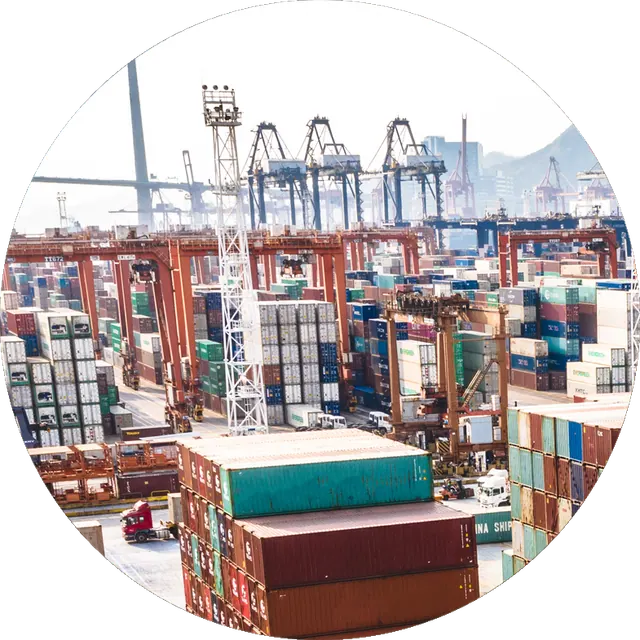
The Ministry of Manpower enforces the Workplace Safety and Health Act 2006 at port terminals, with guidance from the Workplace Safety and Health Council. The Maritime and Port Authority of Singapore regulates the port, vessels and seafarers; each terminal employer owes the safety duties for cargo-handling work.
您的义务
Conduct a risk assessment of your terminal operations, eliminate or minimise foreseeable risks, and review the assessment after any bodily injury and at least every three years. Give workers adequate instruction, information, training and supervision, and report incidents to MOM. For workmen on up to S$4,500 basic a month, the Employment Act caps work at 12 hours a day and overtime at 72 hours a month. MOM's fatigue guidelines recommend shifts of no more than 12 hours and fatigue reporting; they do not require them.
后果
WSH Act offences are criminal, and MOM can issue stop-work orders that halt terminal operations until risks are controlled. Since 1 June 2024, failing to conduct a risk assessment that is a major cause of serious harm carries a higher penalty. Employment Act hours breaches are separate offences. Work injury compensation is payable regardless of fault.
处罚
WSH Act maximums in 2026: S$500,000 for a company and S$200,000 and/or two years' imprisonment for an individual, higher for repeat offenders; stop-work order breaches S$500,000 plus S$20,000 a day. Work injury compensation limits from 1 November 2025: S$91,000 to S$269,000 for death and S$116,000 to S$346,000 for permanent incapacity.
记录在案
No Singapore court, coroner, investigator or regulator has published a finding linking fatigue to an incident in port and terminal work. MOM's 2010 fatigue management guidelines, confirmed current in January 2026, recommend fatigue reporting.
来源: Workplace Safety and Health Act 2006, s 12; WSH (Risk Management) Regulations; WSH (Incident Reporting) Regulations; Employment Act 1968, Part IV; WSH Council and MOM, Fatigue Management Guidelines (2010).