
Industries · Australia
Sleep and fatigue, industry by industry.
Each page sets out what sleep and fatigue mean for that industry: how they affect safety, health and performance, the roles where they matter most, who regulates fatigue, and how strongly each product connects, graded in plain language.
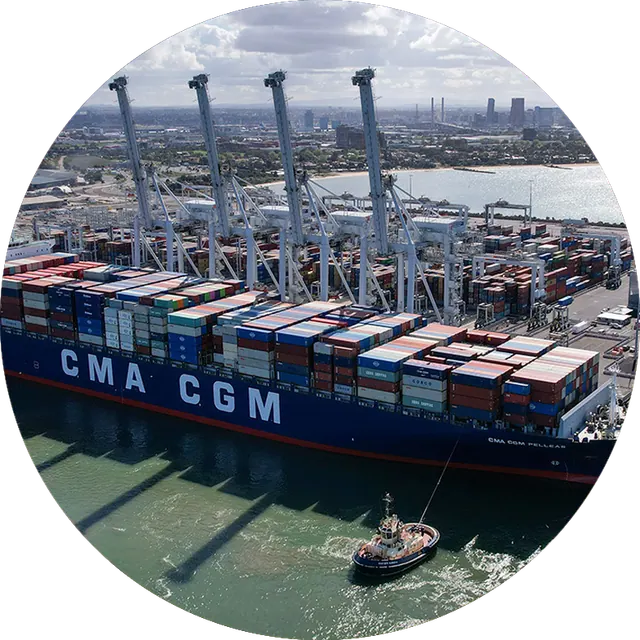
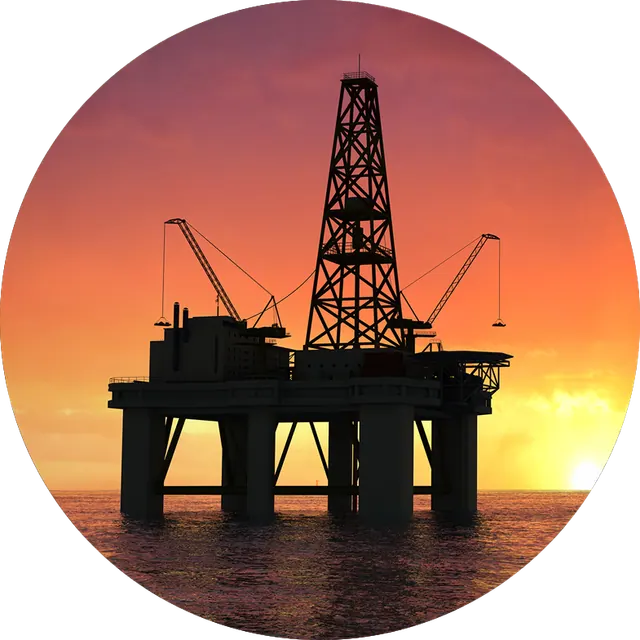
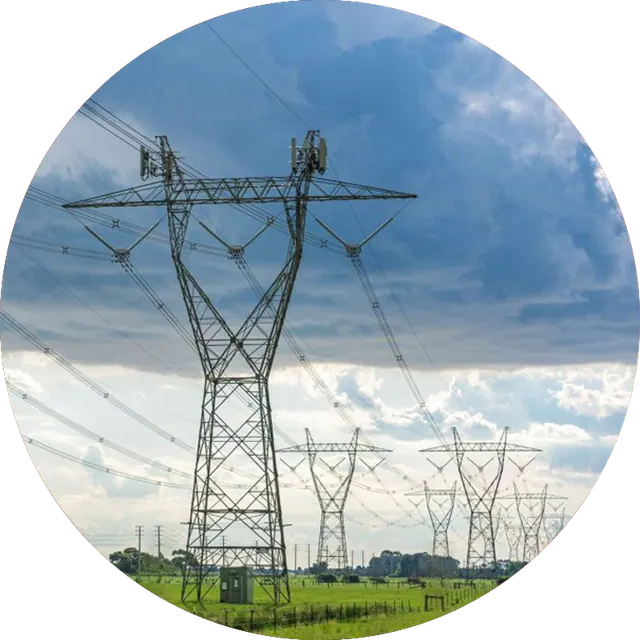

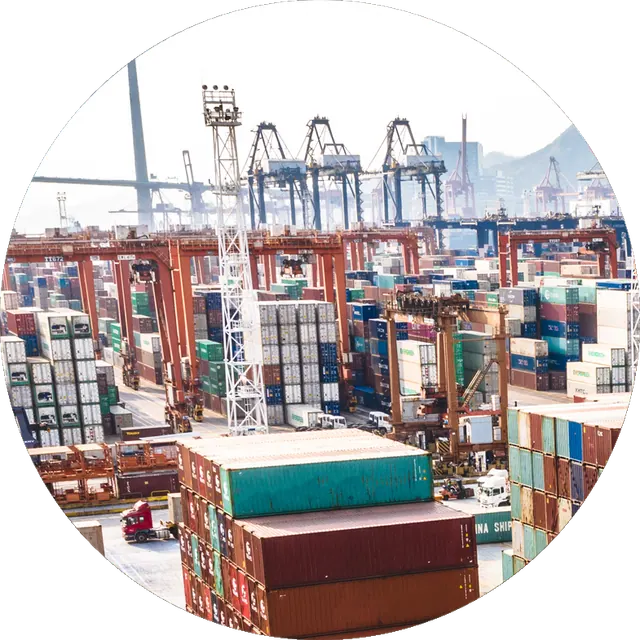
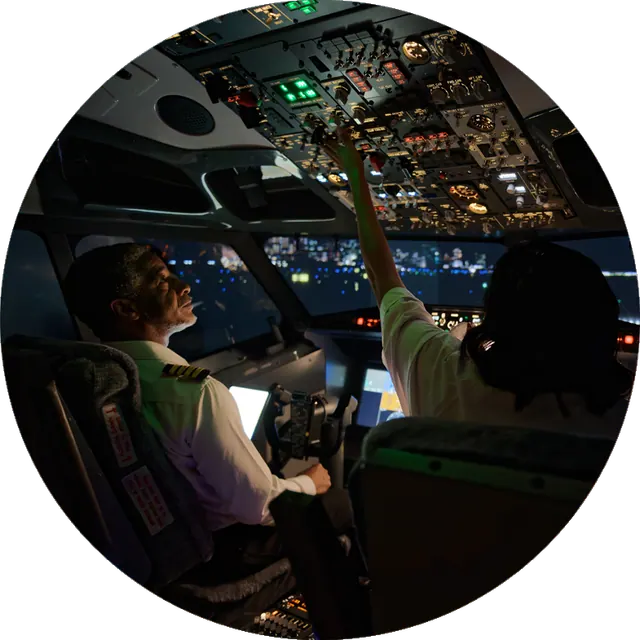
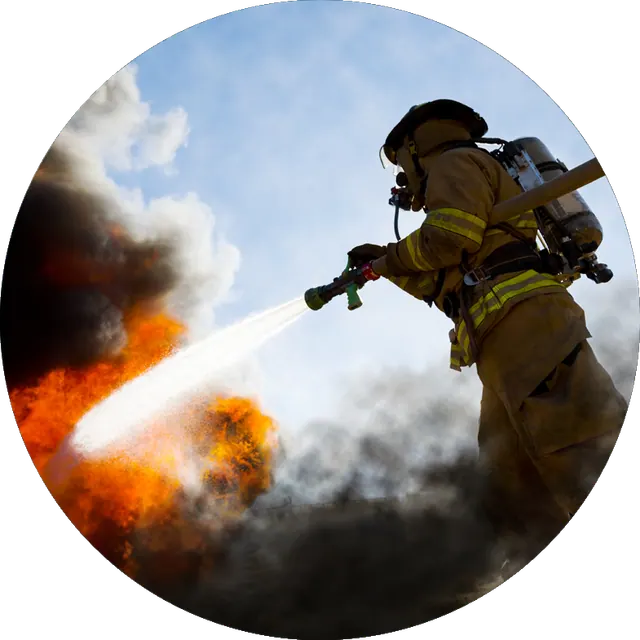
33 industries in Australia, by how fatigue is governed
Fatigue-regulated
Fatigue is regulated specifically, with a documented program expected.
Safety-critical
Fatigue is a named or recognised hazard under industry and work health and safety law.
Shift-based operations
Fatigue is managed under the general duty to control health and safety risks, often on night and rotating shifts.
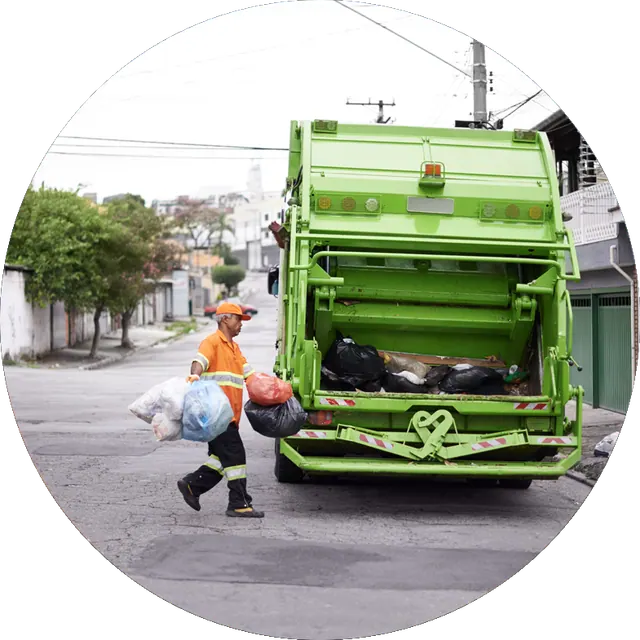
Waste Management & Resource Recovery
Regulation changed 27 Mar 2026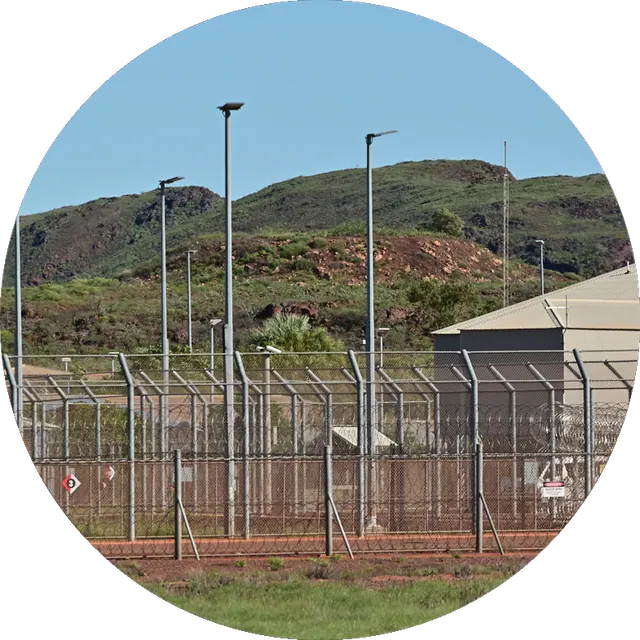
Corrections & Custodial Services
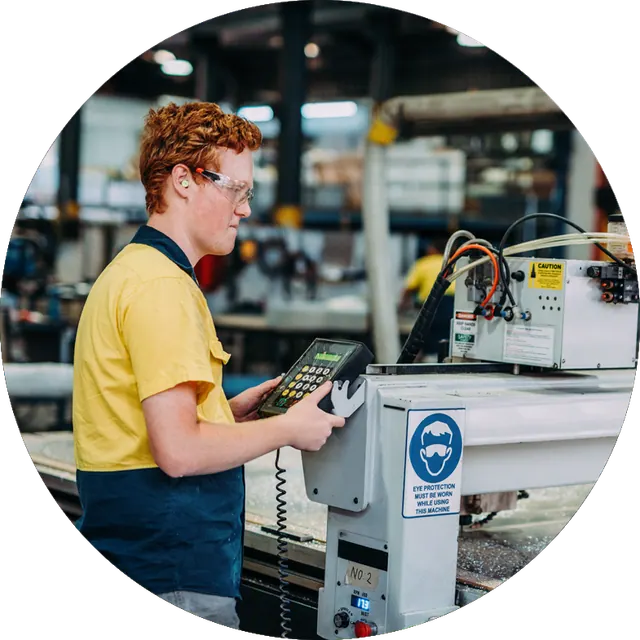
Manufacturing
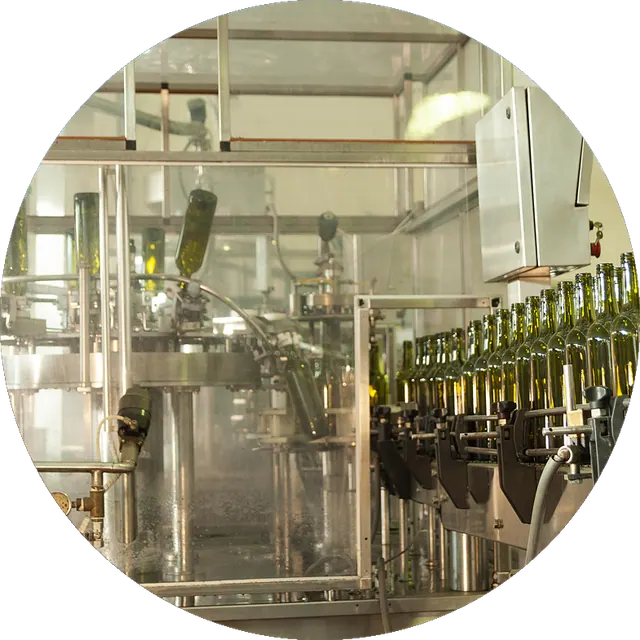
Food & Beverage Processing
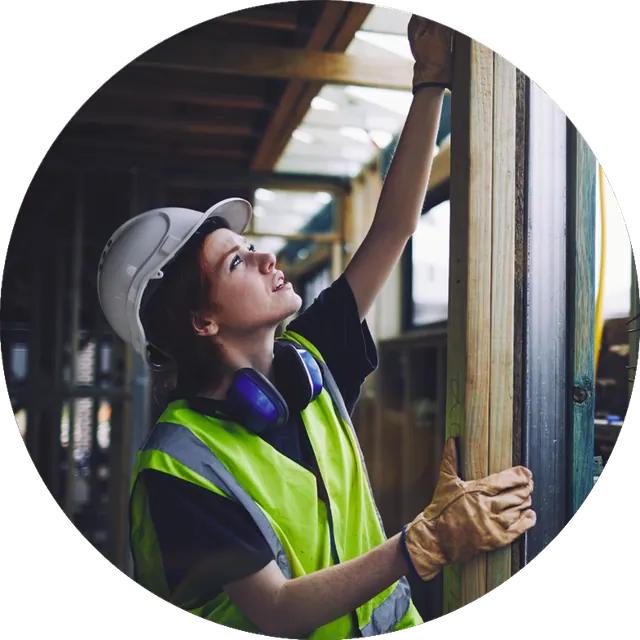
Construction
Regulation changed 12 Dec 2025
Security Services
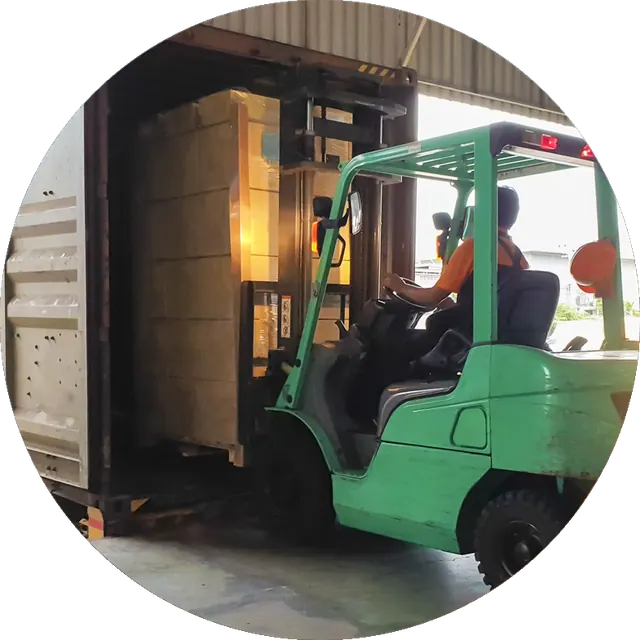
Warehousing & Distribution
Regulation changed 1 Aug 2026
Aged Care & Disability Services
Regulation changed 1 Nov 2025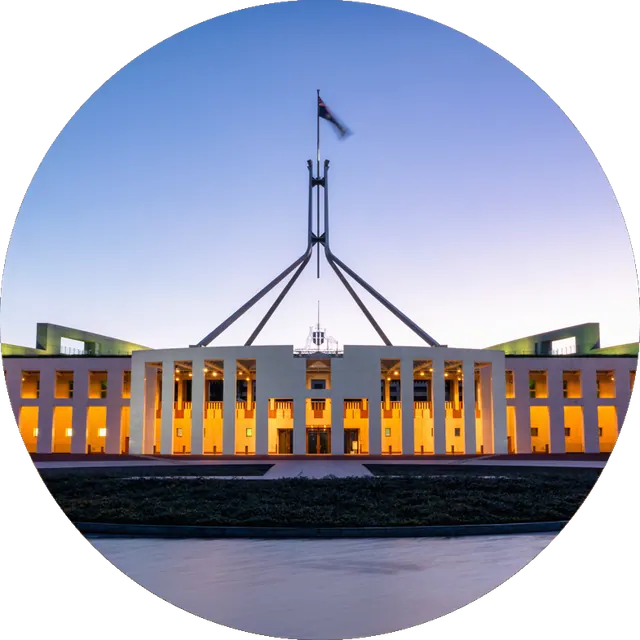
Government & Council
General workforce
Sleep is mainly a workforce health, wellbeing and performance issue.
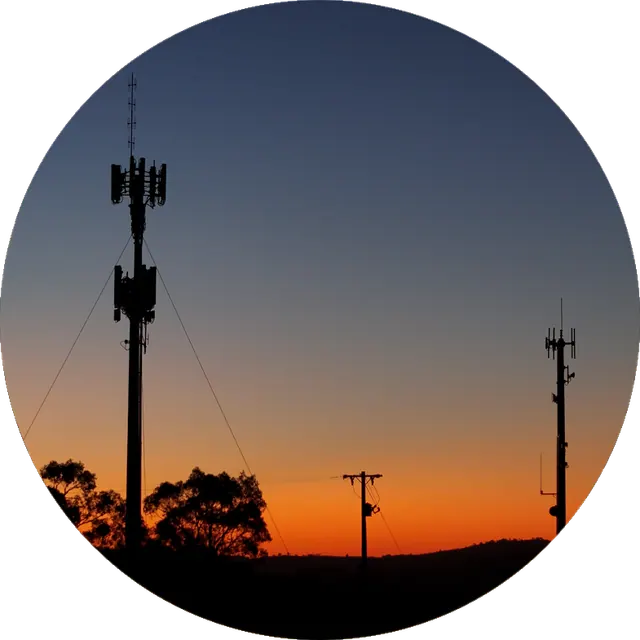
Telecommunications
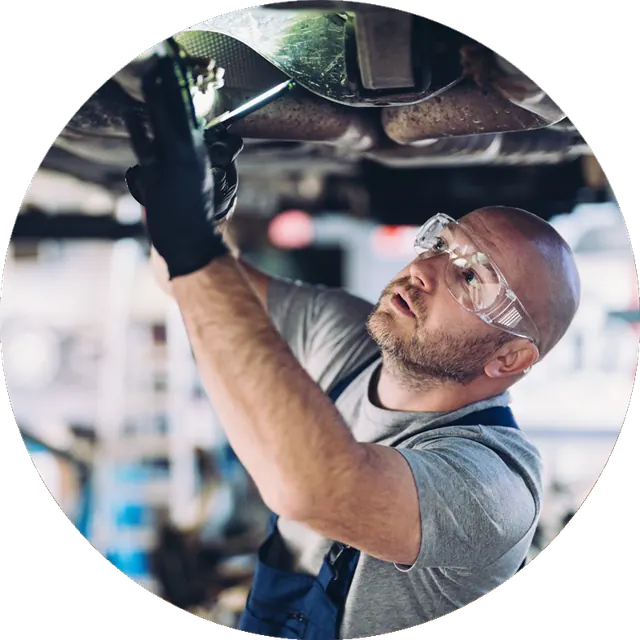
Automotive Repair & Roadside Services
Regulation changed 1 Aug 2026
Forestry
Regulation changed 27 Mar 2026
Retail & Hospitality
Agriculture
Mental Health & Allied Health

Education

Call Centre & BPO

Childcare & Early Childhood Education
Technology & Software

Financial Services & Banking

Professional Services

Insurance & Workers' Compensation
See what sleep and fatigue mean for your workforce.
Tell us your industry and roughly how many people you employ. Your snapshot models how many are likely sleeping poorly and what it costs you. Then choose who you’d cover, and we’ll scope the right next step with you: a Fatiguefit Census where fatigue is a safety risk, or a proposal for a wellbeing program.
